
Keeping your kitchen safe and running smoothly involves more than just cooking great food—it means taking care of the hidden systems like the fan blades within the kitchen exhaust that work behind the scenes. One of the most overlooked yet crucial parts is the kitchen exhaust hood. Without regular cleaning, grease and grime build up inside, on both the fan blades and other components, turning this important piece of equipment from a helpful partner into a serious hazard. In this article, we’ll walk you through why keeping your kitchen exhaust hood clean matters and how expert maintenance makes all the difference for safety, efficiency, and peace of mind. This vital job ensures that all aspects, including fan blades, are functioning optimally to protect your kitchen environment.
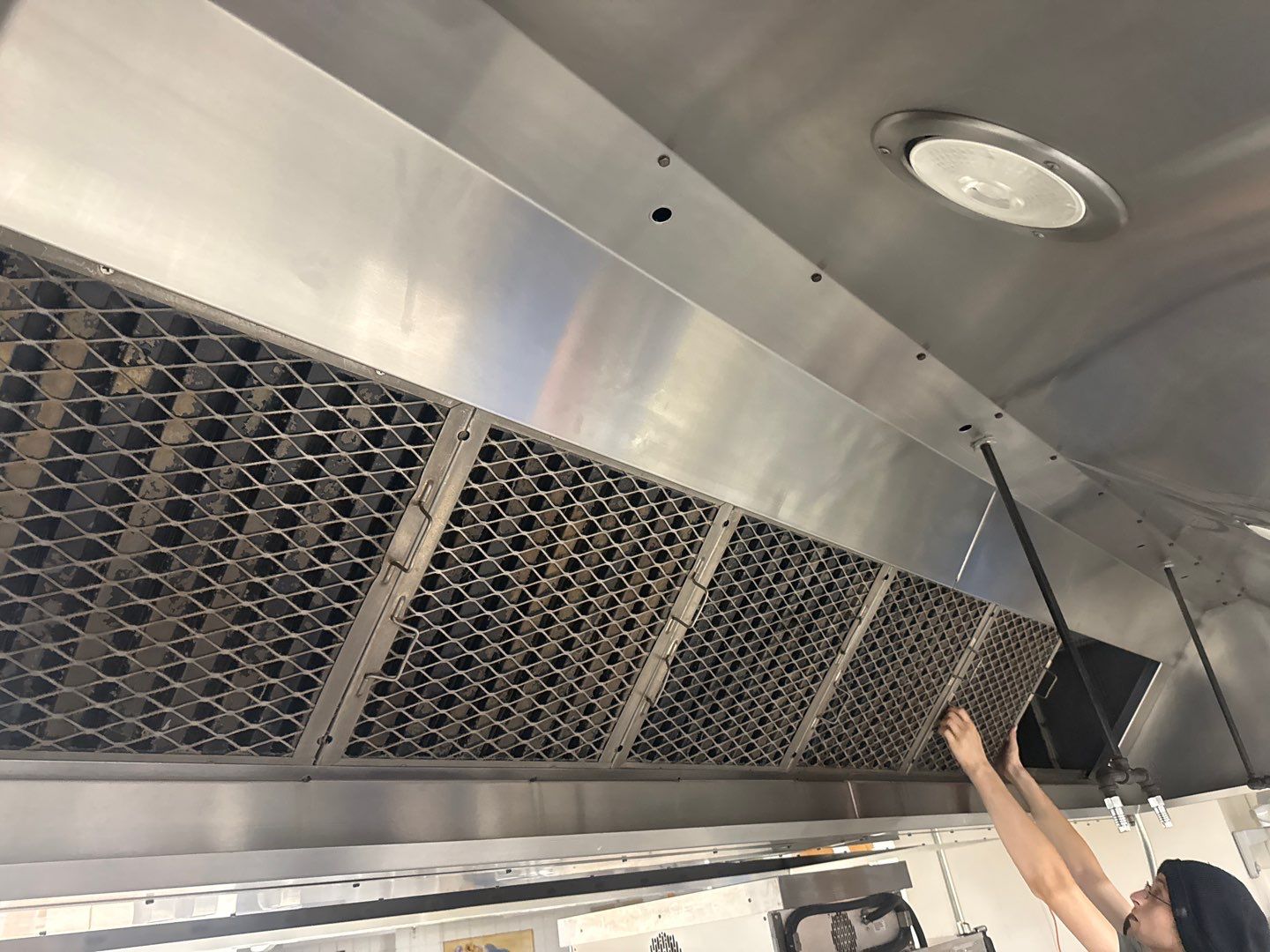
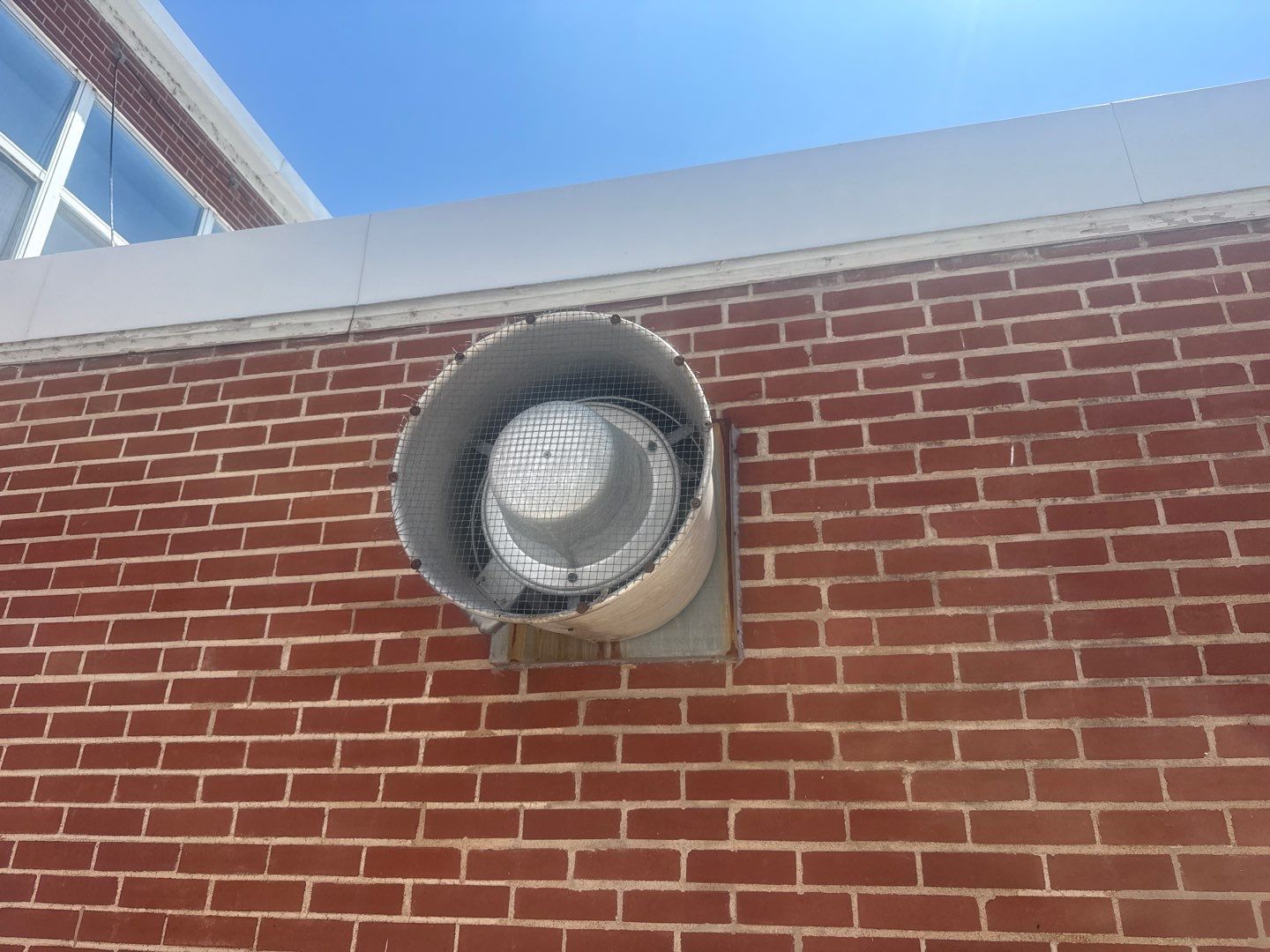
Grease is highly flammable, and when allowed to accumulate unchecked on surfaces like fan blades, it can ignite, risking not only your property but the safety of your staff and customers.
Beyond the threat of fire, a clogged or dirty exhaust system, including its fan blades, chokes the air quality in your kitchen. Think about it: kitchen staff operate in this confined space for hours, breathing in fumes laden with smoke particles and grease vapor. Over time, this exposure can lead to persistent respiratory issues or exacerbate conditions like asthma.
Clean exhaust hoods and fan blades ensure that your commercial kitchen remains a healthier place to work by efficiently removing these harmful airborne particles. This matters because healthier employees tend to be more productive and take fewer sick days—an often-overlooked business advantage.
Another crucial aspect is compliance with local health and safety regulations. Kitchen exhaust cleaning isn’t just recommended; it's mandated by fire codes and health departments across Missouri and beyond.
Failure to keep up with scheduled cleanings can lead to hefty fines or forced closures until you bring your kitchen back into compliance. At Dunn's Exhaust Cleaning, we emphasize proactive maintenance—not only to protect your business but also to save you money by preventing issues before they escalate.
According to NFPA studies, grease accumulation is responsible for nearly 60% of restaurant fires nationwide. Even one small spark in a greasy duct or on fan blades can have devastating consequences. Regular professional cleaning disrupts this risk by removing potential fuel from your kitchen’s ventilation system.
In practice, maintaining a clean exhaust hood involves several key benefits:
These factors show that thorough and regular cleaning of kitchen exhaust hoods, including a focus on the fan blades, is more than routine upkeep—it's essential for keeping your operation safe, healthy, and compliant. Understanding the importance of this service leads naturally to considering broader safety measures designed to prevent disasters before they start.
Grease fires start small but can escalate with terrifying speed, fueled by the greasy buildup that hides inside your kitchen exhaust system. This isn’t just about grime; it’s about removing a highly flammable substance from every nook and cranny—from the hood filters to the ducts and fans. When grease accumulates unchecked, even a single spark or overheated surface can ignite a fire that races invisibly through the ventilation system before bursting into the kitchen, leaving devastation in its wake. In such scenarios, having accurate information on proper kitchen hood cleaning is vital, akin to knowing the importance of water in firefighting.
The reality of fire prevention lies in breaking this dangerous cycle early and thoroughly. Regular cleaning disrupts the layers of grease before they become hazardous fuel. This means professional exhaust hood cleaning services must go beyond surface wiping and involve detail-oriented, deep cleaning that reaches inside ducts and fans—areas where grease often hardens like concrete over time. Every minute spent skipping these steps silently raises the potential for disaster. Informed preventative measures based on reliable information about effective kitchen hood cleaning can be as critical as the timely use of water in controlling fires.
A professional cleaning doesn’t simply improve aesthetics or meet regulations; it stops fires before they start. One might think routine wipe-downs are enough, but grease can cling invisibly beyond what meets the eye. Professionals wield specialized tools and cleaners designed to dissolve heavy grease deposits that ordinary detergents cannot touch safely or effectively. Think of it less as cleaning and more as restoring safety-critical infrastructure.
For commercial kitchens, especially those bustling in places like St. Louis County, Missouri, partnering with experienced experts such as Dunn’s Exhaust Cleaning makes all the difference. With over 30 years of dedicated service ensuring kitchens remain safe and compliant, their deep understanding of common risk points ensures no greasy corner is missed, significantly reducing fire hazards. Ensuring a system as clean as if washed with water is key.
Did you know that regular, documented cleanings can decrease fire risks dramatically? Studies show kitchens without consistent maintenance face four times greater chances of experiencing dangerous grease fires compared to those who keep to rigorous cleaning schedules. This is not just a safety issue—it’s also a protective shield for your business's lifespan and reputation.
Fire prevention via professional exhaust hood cleaning covers essential areas where grease and grime accumulate—acting like a crucial defense barrier, similar to the importance of information in executing strategic kitchen hood cleaning.
Beyond preventing fires, maintaining a clean exhaust system plays a pivotal role in keeping your insurance premiums manageable—a critical factor for any commercial kitchen owner focused on long-term viability and peace of mind.
If you need expert assistance or want to schedule regular cleanings tailored to your kitchen’s specific demands, remember that calling Dunn’s Exhaust Cleaning at (314) 860-8123 connects you with trusted professionals who prioritize your kitchen’s safety above all else.
With safety measures firmly in place, your attention naturally turns toward optimizing the day-to-day performance of your kitchen systems—the next step in safeguarding both productivity and returns on investment.
With the right information and regular cleaning, your kitchen hood can function optimally, much like how water eases the way for a clear stream or prevents fires from escalating.That increased workload translates into higher electricity bills—sometimes significantly so—and can even shorten the lifespan of expensive equipment. In fact, studies show that kitchens with poorly maintained exhaust systems can see energy costs climb by up to 25%. For commercial operations in St. Louis County relying on continuous kitchen use, those numbers quickly add up, particularly when considering the intensive nature of frying food. The grease generated not only affects the immediate environment but can also permeate exhaust systems if not properly managed.
There’s also the human factor to consider: louder fans not only create an unpleasant background noise but can contribute to staff fatigue and reduced concentration. Quieter operation achieved through regular cleaning leads to a calmer environment where focus on food preparation can thrive—something every restaurant owner hopes for. Ensuring your equipment includes an effective filter helps maintain this peace by capturing grease and other particulates before they enter the ventilation ducts.
| Impact Area | Effect of Dirty Exhaust System | Benefit of Clean Exhaust System |
|---|---|---|
| Airflow Efficiency | Reduced by up to 50% | Maintains optimal air exchange rate |
| Energy Consumption | Increased motor workload | Lower electricity bills |
| Equipment Longevity | Motors and fans wear faster | Prolongs useful life of mechanical parts |
| Noise Levels | Noticeably louder operation | Quieter, less disruptive sound levels |
| Kitchen Environment | Hotter, odor-prone workspace | Cooler, fresher air for staff & patrons |
Scheduling regular cleanings with professionals like Dunn’s Exhaust Cleaning—who bring over 30 years of expertise servicing St. Louis County kitchens—ensures your exhaust system stays in top form. These routine maintenance visits aren’t just a chore; they’re an investment into lowering utility costs, reducing equipment breakdowns, and ultimately providing a more comfortable atmosphere for your team. Using specialized cleaning agents such as degreasers ensures that all surfaces are free from harmful buildup, enhancing system longevity and safety.
Consider too that many local health inspectors check exhaust hoods during routine visits. A well-maintained hood helps keep you compliant with regulations and avoids costly fines or unexpected shutdowns. From experience at Dunn’s Exhaust Cleaning, clients who commit to scheduled cleanings not only see tangible operational improvements but also enjoy peace of mind knowing their kitchen runs safely and efficiently.
Beyond efficiency gains and cost savings, clean exhaust systems contribute directly to your kitchen’s productivity and staff wellbeing—factors that impact the quality of everything served on your customers’ plates. Keeping these fundamentals in check lays a strong foundation as we explore the broader landscape of professional maintenance and care next.
When it comes to kitchen exhaust hood cleaning, expertise and the right tools make all the difference. Professional cleaning services like those offered by Dunn's Exhaust Cleaning harness over 30 years of experience combined with industrial-grade equipment to ensure your kitchen exhaust system is not just clean, but truly safe and compliant.
This isn’t just about wiping surfaces; it’s about meticulous removal of grease buildup that can hide in every nook and cranny—places most conventional cleaning misses. Utilizing industrial degreasers, professionals are able to dissolve deep-seated grease deposits effectively.
Take for instance the ductwork hidden above the ceiling or inside walls. Grease here solidifies over time and becomes a serious fire hazard, yet it’s virtually impossible to access without specialized tools and knowledge. Regular cleanings, coupled with appropriate filter use, help prevent such accumulations and enhance overall kitchen safety.
A professional team knows precisely how to disassemble certain sections safely, use powerful solvents, and employ high-pressure washing techniques that dissolve even the toughest deposits. This level of cleaning reduces the risk of chimney fires dramatically—a critical safety factor in any commercial kitchen.
Beyond cleanliness, savvy technicians inspect your ventilation system during every service call. They look for signs of wear such as cracked duct joints or clogged filters, which are prevalent in environments where frying is common.
These issues may not always be obvious at a glance but can degrade airflow efficiency and increase strain on your kitchen’s HVAC system. Early detection through expert inspection helps businesses avoid costly repairs or unexpected shutdowns caused by poor ventilation performance.
What sets professional cleaners apart is their commitment to compliance as well.Local fire codes and health regulations often require regular exhaust system maintenance, sometimes quarterly depending on cooking volume. Proper sanitation of these systems is essential to ensuring that all health regulations are met and that the systems are free of grease and other contaminants.
Failing to meet these standards doesn’t just threaten safety; it exposes your business to fines or insurance complications. Ensuring proper sanitation can mitigate these risks, safeguarding both your operation and compliance status.
Companies like Dunn's Exhaust Cleaning stay current on all regional requirements in St. Louis County and surrounding areas, guiding customers through proper maintenance schedules to keep inspections hassle-free and ensure complete sanitation.
| Key Components Cleaned by Professionals |
|---|
| Hood surfaces: Wiping away grime from stainless steel and grease traps. |
| Filters: Removing, soaking, scrubbing, and reinstalling or replacing filters as needed. |
| Ductwork: Accessing internal passages to break down hardened grease with industrial solvents. |
| Exhaust fans: Cleaning blades and housing to maintain optimal airflow. |
| Fire suppression systems: Checking for obstructions or accumulation that could hamper function. |
For kitchens striving for operational excellence, safety, and sanitation, scheduling routine service with trained professionals is a smart investment.
The peace of mind knowing your exhaust system operates efficiently while meeting regulatory standards allows you to focus on what truly matters — running your business smoothly. Effective sanitation practices are part of maintaining this balance.
“With Dunn's Exhaust Cleaning handling our kitchen hood maintenance, we’ve seen improved air quality and reduced downtime,” notes Chef Donna M., a longtime client in St. Louis County. "Their thorough approach means we never worry about hazards or failed inspections thanks to their commitment to sanitation."
Understanding the precision and care involved in professional kitchen exhaust cleaning reveals why this service is indispensable for protecting your business environment and ensuring impeccable sanitation. Next, we explore each step involved in the cleaning workflow that ensures these results every time.
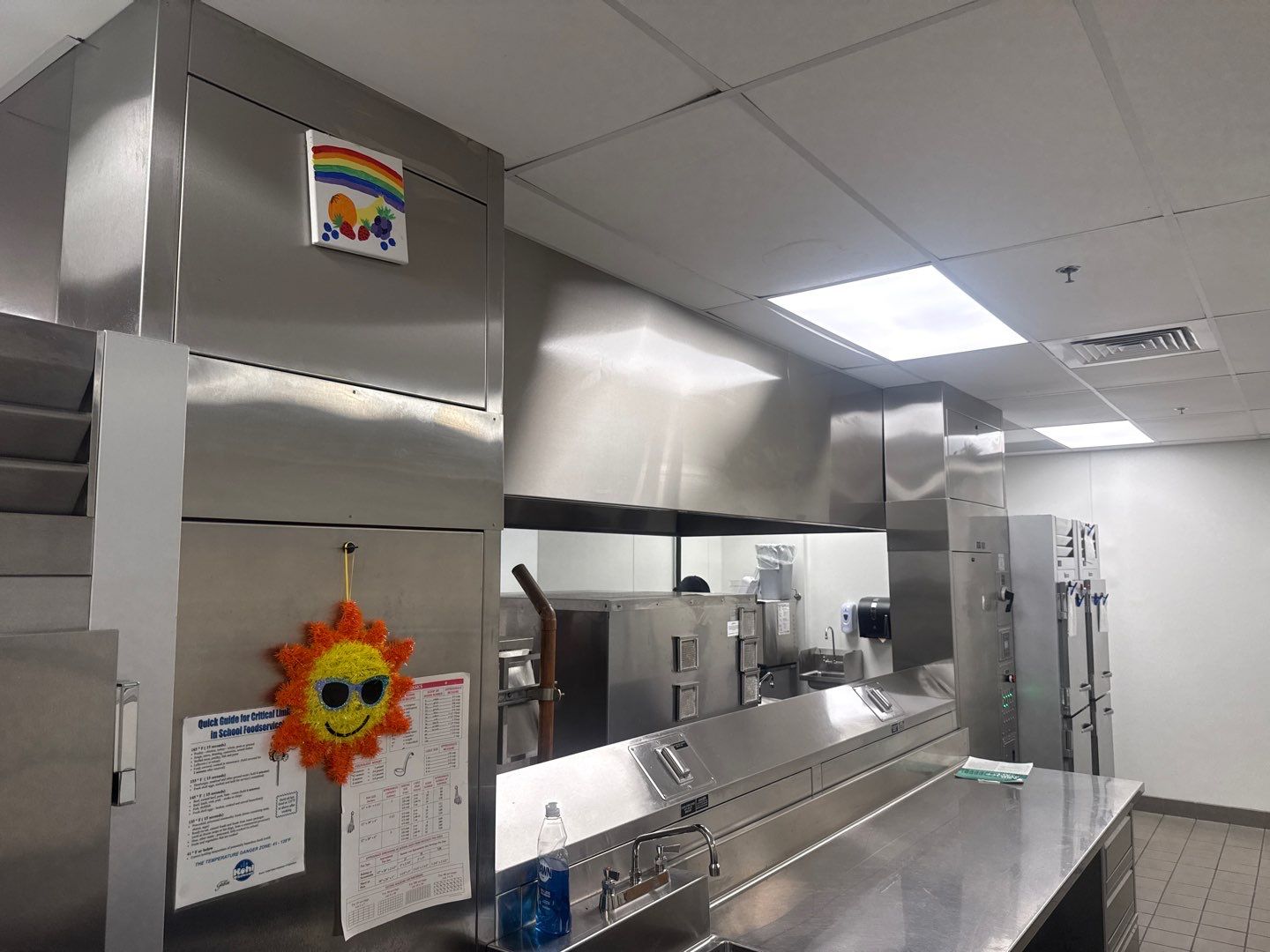
The journey to a spotless, safe kitchen exhaust begins with a thorough inspection. Skilled professionals start by meticulously assessing how much grease has built up inside the hood, ducts, fans, and vents. This is no casual glance—it's a close examination to identify trouble spots where grease has accumulated most heavily. Proper sanitation starts with knowing precisely where the problem areas are, allowing the cleaning team to strategize their approach for maximum efficiency and safety.
After pinpointing the greasy hotspots, the next phase focuses on protecting your kitchen environment during the cleaning itself.
During preparation, everything around the work zone gets covered carefully—your valuable kitchen appliances, floors, and surrounding surfaces are shielded with plastic sheeting or drop cloths. This is a critical step in the sanitation process. Why all this fuss? Commercial kitchens are bustling with sensitive equipment and supplies; you don’t want harsh degreasers or stray grease droplets causing damage or contamination. This step ensures that while we tackle tough grime inside the hood system, your kitchen stays pristine and ready for action.
Once the stage is set, it’s time to get hands-on with the parts that do the heavy lifting in your ventilation system—the filters.
In removing filters, trained technicians carefully take out these grease traps, which often resemble metal grids or mesh panels. These filters accumulate a significant layer of buildup acting like sponges for grease and smoke particles. To truly clean them, and ensure proper sanitation, they’re soaked in strong degreasing solutions designed specifically to dissolve stubborn residues. Sometimes soaking alone isn't enough, so these filters receive a good scrub before being rinsed thoroughly and dried.
Now, attention shifts deeper into the system where grease tends to cement itself in harder-to-reach places: ducts and hoods.
Cleaning ducts and hoods requires a mix of manual precision and mechanical force, all in the name of maintaining exemplary sanitation standards. Experts use specialized scrapers and wire brushes to painstakingly scrape off hardened grease deposits inside these channels. This process demands patience because improperly cleaned ducts can become fire hazards or reduce airflow efficiency—not something any commercial kitchen can afford. For particularly resilient spots, high-pressure washers may be brought in to blast away what scraping alone can’t shift, restoring duct interiors to nearly new condition.
Beyond the ducts and hoods lie critical components that ensure air moves freely—the fans and exhaust vents—so they demand equal attention.
***Fans and exhaust vents*** can sometimes be overlooked but keeping them clean is vital for safety and airflow performance. Technicians dismantle accessible parts when possible and clean every surface of grease using potent degreasers tailored for these components’ materials. Removing all residue here not only prevents foul odors but more importantly reduces the possibility of a damaging fire caused by accumulated flammable grease layers.
Finally, once all components have been treated meticulously, it’s time to put on the finishing touches.
The ***polishing and final inspection*** stage ties everything together beautifully. After cleaning, all surfaces are polished to remove any leftover streaks or smudges—this gives your exhaust system a bright, professional shine signaling cleanliness at its best. Then comes a careful final walkthrough checking that no area was missed and validating that your kitchen hood system meets fire safety codes and compliance standards—a crucial signoff by experts who’ve been doing this work for over three decades here in St. Louis County.
Trusting companies like Dunn's Exhaust Cleaning means you benefit from veteran knowledge honed over 30+ years combined with industry-leading tools to safeguard your commercial kitchen environment efficiently and responsibly. Their detailed step-by-step process is designed not just to clean but to give restaurateurs peace of mind knowing their kitchen’s breathing easy and ready for business.
If you operate a commercial kitchen in Missouri or nearby areas, consider scheduling a professional cleaning with Dunn’s Exhaust Cleaning at (314) 860-8123 today—a small investment that protects your business from costly downtimes or fire risks down the road.
Understanding this meticulous cleaning process highlights just how essential regular upkeep is for maintaining safety and efficiency in any busy kitchen environment. Moving forward, we explore why sticking to a routine maintenance schedule reaps benefits far beyond immediate cleanliness.
Keeping your kitchen exhaust hood in tip-top shape isn't just about ticking boxes for inspections; it fundamentally impacts the very heart of your commercial kitchen's operation. When grease and grime accumulate unchecked, they don't just create fire hazards—they quietly sabotage your equipment and workflow. This slow degradation translates directly into unnecessary financial burdens down the line.
***Regular cleaning, therefore, is an investment that pays dividends by preventing expensive repairs or early replacement costs***.
It's easy to overlook how a clean kitchen hood actually supports every meal you prepare. When your exhaust system is free from blockages, the ventilation works smoothly, which means your kitchen stays cooler and fresher. Better airflow translates into better ***working conditions for your staff***, contributing to a healthier, more productive environment.
Plus, when mechanical parts like fans and motors encounter less resistance from grease buildup, they run more efficiently and last longer. Over 30 years of experience at Dunn's Exhaust Cleaning has shown us repeatedly how routine maintenance extends equipment life by reducing strain on these components.
Beyond these operational benefits is the critical factor of compliance. Fire codes and health regulations are strict because they prioritize safety—and rightly so. Keeping thorough records of all cleanings not only helps you avoid fines but also ensures you’re prepared for inspections with confidence.
We always advise restaurants to integrate their exhaust maintenance into their broader safety protocols to minimize the risk of fire incidents that can disrupt business or threaten lives.
To summarize the key benefits clearly:
| Benefit | Description |
|---|---|
| Cost Savings | Preventative upkeep slows wear caused by grease accumulation. |
| Extended Equipment Life | Clean systems conserve mechanical integrity. |
| Improved Air Quality | Enhances kitchen atmosphere by clearing pollutants. |
| Regulatory Compliance | Streamlines passing fire and health inspections. |
While these advantages make a strong case for regular upkeep, partnering with a trusted professional service ensures those benefits manifest fully in your kitchen’s safety and operational efficiency. Next, we'll explore how choosing the right experts can make all the difference in maintaining this vital aspect of your business.
When it comes to professional kitchen exhaust cleaning, not all providers offer the same level of quality and safety. The decision hinges on finding a company that adheres strictly to industry standards to protect your kitchen and comply with regulations. One key indicator of such compliance is certification from recognized bodies like the International Kitchen Exhaust Cleaning Association (IKECA). This certification signals that the technicians are trained in best practices, use appropriate equipment, and follow thorough cleaning protocols designed specifically for commercial kitchens.
Beyond certifications, experience matters immensely. A company like Dunn’s Exhaust Cleaning, which has served St. Louis County and surrounding areas for over 30 years, combines seasoned expertise with local knowledge. This deep-rooted presence means they understand not only the complexities of kitchen exhaust systems but also the nuances of Missouri's fire and health codes. Choosing a provider with such a track record reduces risks associated with improper cleaning—risks that can lead to costly fines or even dangerous grease fires.
Customer reviews and testimonials are another vital resource. Hearing directly from businesses that relied on a company’s services can reveal insights about punctuality, thoroughness, and professionalism that no certificate can convey. It's wise to ask for referrals or check verified online platforms before making your final decision.
Before any work begins, insist on receiving a detailed written estimate that clearly outlines what services are included: is the cleaning just for the hood or does it cover ductwork and fans as well? Are post-cleaning inspections or maintenance recommendations part of their service? Transparency here prevents misunderstandings and ensures you’re investing wisely.
Lastly, make sure the provider guarantees compliance with local fire marshal requirements and health department regulations. In commercial kitchens, cutting corners on these essentials often leads to recurring problems—from failed inspections to liability issues. Working with a compliant service not only keeps your kitchen safe but also maintains your establishment’s reputation and operational continuity.
With these criteria in mind—certification, experience, trustworthy reviews, transparent estimates, and regulatory compliance—you position your business for safer, cleaner kitchen operations that stand up to rigorous inspection and daily demands alike.
Selecting the right kitchen exhaust cleaning service is not just an operational choice—it’s a crucial safeguard for your staff, customers, and business longevity. Prioritizing trusted expertise ensures your kitchen remains a healthy, hazard-free environment where culinary creativity can thrive.
ABOUT US
ALL INDUSTRIES SERVED:
Restaurants and Cafes, Food Trucks and Mobile Vendors, Hospitals and Healthcare Facilities, Schools, Hotels and Resorts, Churches and Community Centers, Military and Municipal Facilities
Dunn's Exhaust Cleaning | © Copyright 2026 | STLHoods.com