
Running a busy commercial kitchen comes with plenty of challenges, and keeping your exhaust hood clean is one that’s easy to overlook—until it becomes a big problem. Grease builds up faster than you might think, turning your hood into a potential fire hazard that could shut down your business. From years of helping restaurants in St. Louis keep their kitchens safe, I’ve seen firsthand how regular hood maintenance not only prevents fires but also keeps the air fresh and equipment running smoothly. If you’ve ever wondered what proper hood cleaning really involves or why it matters so much, this article will walk you through everything you need to know, including the essential requirements for addressing the cleanliness of all areas under your roof.
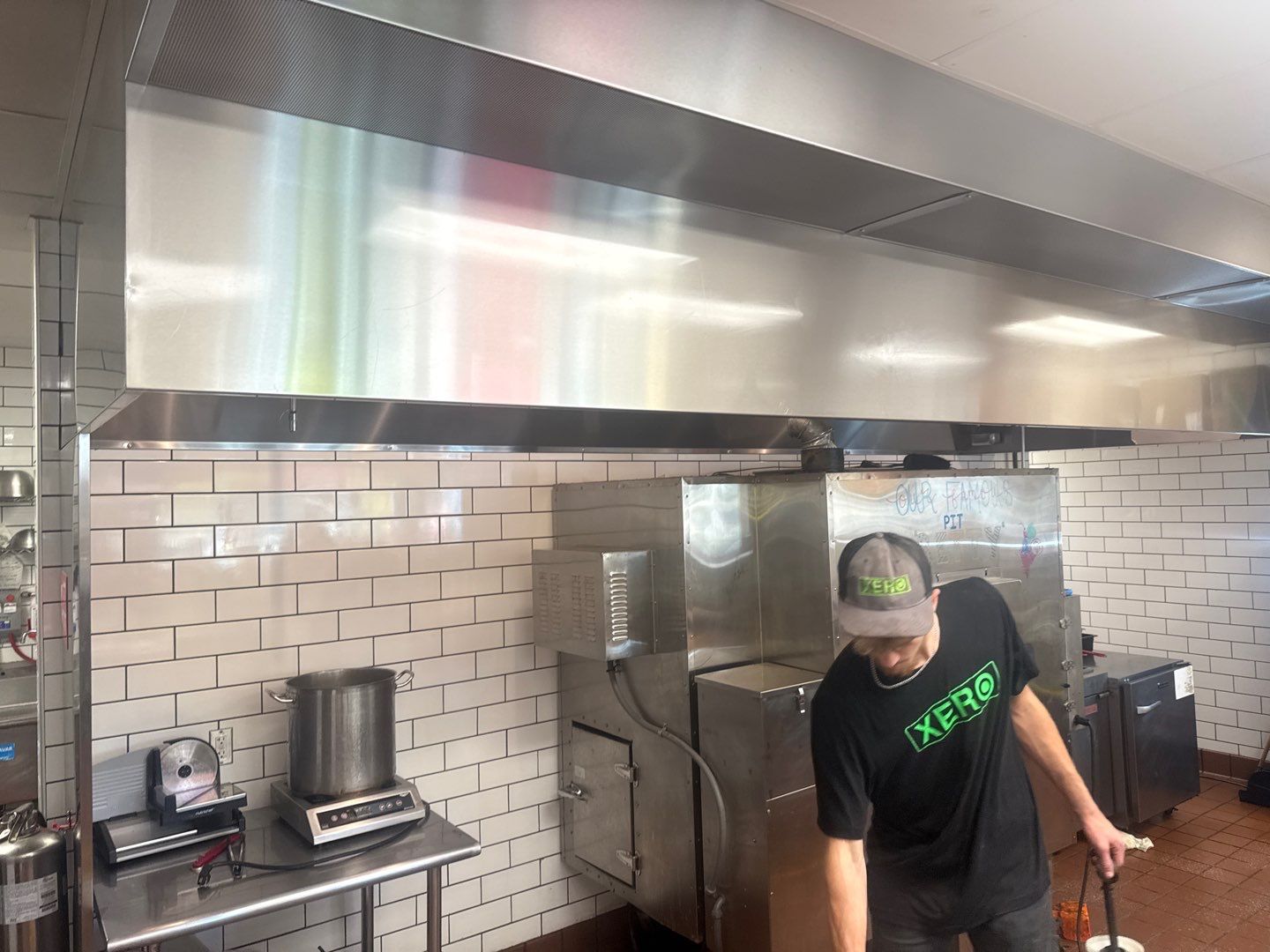
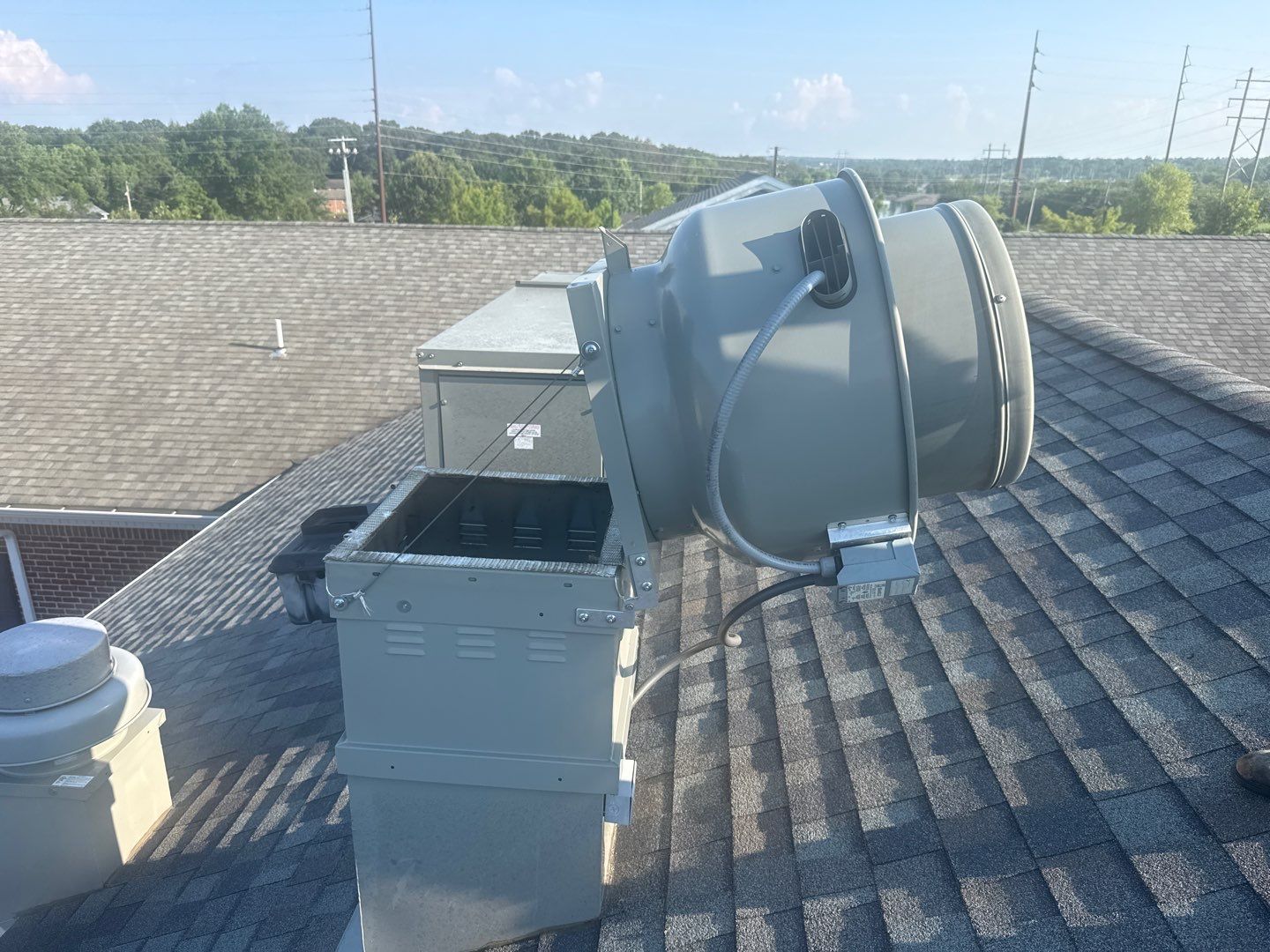
This risk isn't theoretical—kitchen fires originating from neglected hoods cause millions in damages annually across the country, including here in St. Louis.
Beyond fire prevention, regular maintenance improves air quality and ventilation efficiency, which directly affects your staff’s comfort and productivity. A clogged, greasy hood forces your ventilation system to work harder to remove smoke and odors, wasting energy and potentially shortening the lifespan of expensive equipment. This can also stress the structural makeup of your kitchen's roof due to increased heat and exhaust output.
When the exhaust system operates optimally, cooking fumes and airborne contaminants are effectively removed, maintaining a healthier environment for everyone working in that fast-paced space.
From my experience working with hundreds of local restaurants through Dunn's Exhaust Cleaning, scheduling routine cleaning every three to six months is crucial—not only to stay compliant with St. Louis fire codes but also to avoid unexpected downtime. Regularly meeting this requirement is vital for continued business operation and safety.
Our certified technicians follow standards set by the National Fire Protection Association (NFPA 96), ensuring that every nook and cranny of your exhaust system is free of grease residues.
Here's what happens when you maintain your hood regularly versus neglect it: your equipment runs efficiently and the roof structure remains intact, safeguarding your investment.
| Aspect | With Regular Maintenance | Without Regular Maintenance |
|---|---|---|
| Fire Risk | Significantly lowered due to minimal grease buildup | High risk due to thick grease layering |
| Equipment Efficiency | Optimal airflow, lower energy consumption | Reduced airflow causing overheating |
| Regulatory Compliance | Meets all NFPA 96 & local code requirements | Fails inspections leading to fines or closures |
| Operational Downtime | Preventive upkeep minimizes unexpected closures | Potential for long shutdowns after fire or damage |
Another important angle to consider is legal responsibility. In commercial kitchens throughout St. Louis County, failing to maintain clean exhaust systems can result in hefty fines or even forced closure by health inspectors or fire departments.
When you partner with trusted experts like Dunn’s Exhaust Cleaning, you’re not just checking a box—you’re actively protecting your business against liabilities.
With these fundamentals in place, it's essential to understand what specific parts and processes comprise professional hood maintenance. The next focus will break down these key components that keep your kitchen safe and compliant without interrupting daily operations.
Experts carefully look for grease buildup in hard-to-see areas, assess the condition of filters, and inspect for any broken or worn parts. Even improper installation—a problem that can quietly undermine your entire ventilation system—is identified during this stage. Technicians may also need to check for water damage around the system, ensuring that moisture hasn't compromised any components, such as the fan belt, which plays a crucial role in maintaining airflow. This initial evaluation sets the stage for targeted cleaning and repair, ensuring no part of the system is overlooked.
Once the inspection lays out what needs attention, the real work begins with grease removal. Grease and oil residue are the biggest fire hazards in kitchen hoods—not just unsightly but highly dangerous. Technicians remove grease traps and filters entirely, soaking and scrubbing them with industrial-grade cleaners and tools designed to dissolve stubborn grime. Specialized scrapers and brushes come into play here, reaching every crevice where grease loves to hide. During this process, ensuring the fan belt remains free from grease is vital, as any slippage could impair ventilation efficiency. What may seem like just heavy-duty cleaning is actually a safety imperative; without removing that buildup, kitchens face not only increased fire risk but also poor air quality that impacts both workers and patrons.
Next comes duct and fan cleaning, often one of the most overlooked yet crucial aspects of hood maintenance. The ventilation ducts carry smoke, steam, and fumes outside—if these passages aren’t clear, smoke backs up into the kitchen, setting off alarms or worse, creating hazardous conditions. Exhaust fans also push stale air out efficiently; clogged fans strain your HVAC system and drive up energy costs. The cleaning process involves disassembling accessible duct segments and scrub-cleaning them with specialized equipment, often requiring careful attention to prevent any accidental water ingress which could damage essential components like the fan belt. This ensures airflow is unobstructed, while exhaust fans meticulously clean their bowl and blades. This thorough approach guarantees proper ventilation and prolongs the lifespan of vital components.
After all cleaning is done, a final inspection and reporting phase ensures everything is back in perfect working order. Every filter must be reinstalled correctly, all screws tightened, and seals checked to prevent leaks or inefficiencies. The technician then performs functional tests to confirm optimal airflow and hood performance. Importantly, detailed documentation accompanies this service—a comprehensive report including before-and-after photos becomes essential proof for health department inspections or insurance compliance reviews. This transparency not only provides peace of mind but helps restaurant owners maintain rigorous safety records without guesswork.
Recognizing these critical procedures reveals why professional hood maintenance is an indispensable part of operating a safe commercial kitchen. Building on this foundation leads us naturally into understanding the benefits that come from relying on experts for these essential services, ensuring all components, including both the fan belt and ventilation ducts, are in top condition to prevent costly breakdowns.
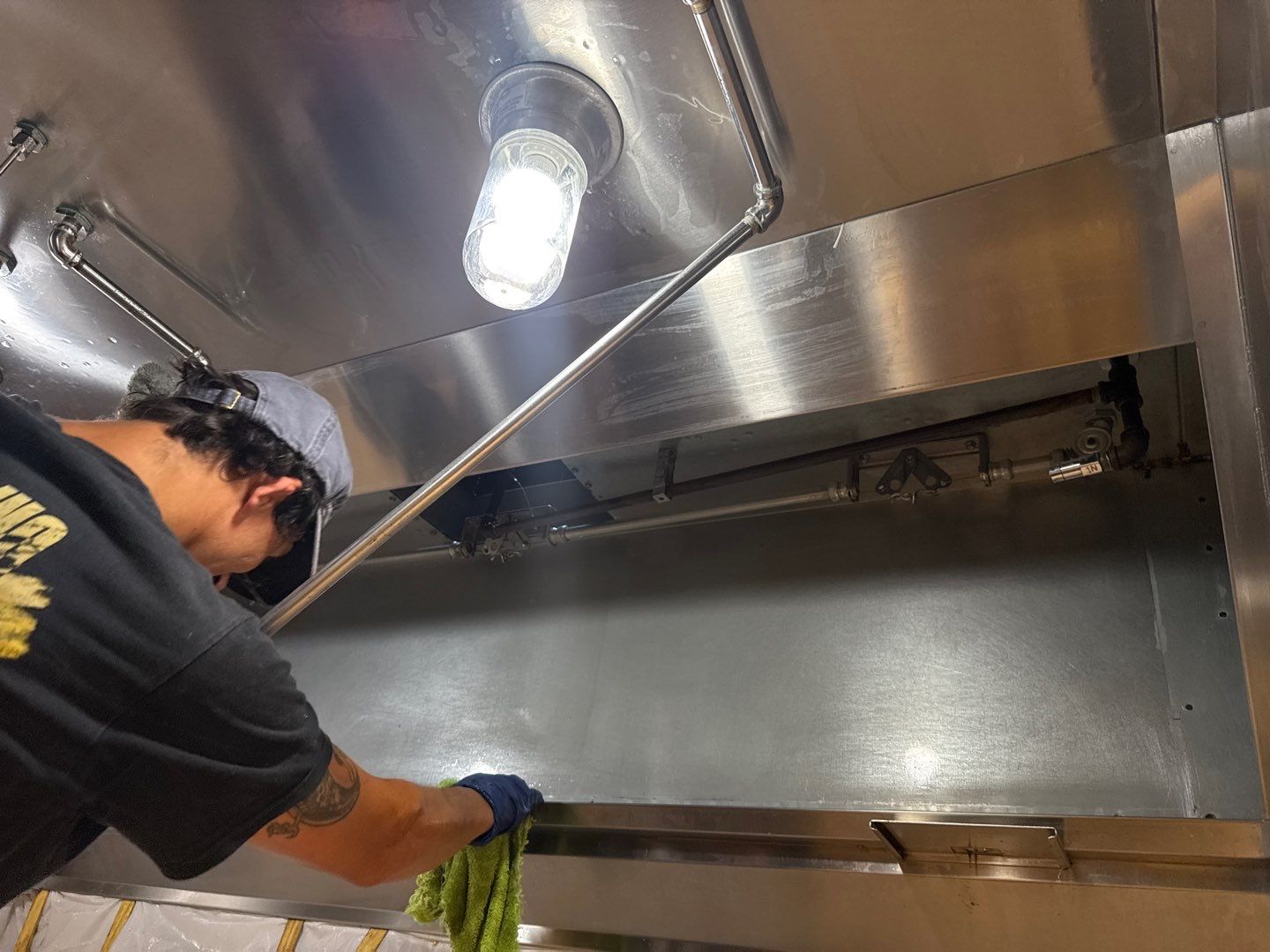
Professional hood cleaning goes far beyond just wiping off grease—it’s an essential practice that safeguards your entire kitchen operation. Safety is paramount; accumulated grease is highly flammable and remains one of the leading causes of kitchen fires. By engaging experts like Dunn’s Exhaust Cleaning, you reduce that risk significantly because they don’t just scrape surfaces—they eliminate hidden grease deposits deep within ductwork and fans, where fires often start unnoticed. Moreover, maintaining the integrity of every part, including ensuring the fan belt's tension and lubrication aren't compromised by water or other residues, is a critical aspect of their service.
This attention to detail also ensures your kitchen stays compliant with health and fire safety regulations. Commercial kitchens face strict inspections, and failure to maintain clean hoods can result in hefty fines or even forced closures. In these high-pressure environments, cooking operations rely on the seamless functionality of various kitchen appliances. Experienced technicians, certified by MFS (Mechanical Fire Service), bring not only hands-on skill but also knowledge of evolving local codes, guaranteeing your exhaust system meets or exceeds all applicable standards.
Beyond safety and compliance, professional cleaning improves ventilation efficiency. Grease buildup clogs airflow pathways, causing exhaust fans to work harder. When a hood functions optimally, it pulls smoke, heat, and odors effectively, creating a more pleasant environment for kitchen staff. Better air quality means happier employees who are less likely to suffer from respiratory irritations or fatigue related to poor ventilation.
Investing in routine professional cleanings also prolongs the life of costly kitchen equipment. The grease and grime don’t just soil surfaces; they corrode metal components over time, affecting crucial cooking operations. Regular removal stops premature wear on fans, motors, and filters, helping you avoid unexpected repairs or replacements.
“Since we started using Dunn’s Exhaust Cleaning, we've seen a marked improvement in our kitchen’s air quality and overall cleanliness,” says Lisa Tran, manager at The Creekside Grill in St. Louis County. Her experience echoes that of over 500 satisfied customers who’ve trusted Dunn’s expertise over three decades.
Here’s a closer look at how these advantages stack up:
| Benefit | Impact |
|---|---|
| Safety | Significant reduction in fire hazard risk |
| Compliance | Guaranteed adherence to local health & fire codes |
| Efficiency | Improved airflow reduces energy costs and enhances comfort |
| Longevity | Extended equipment lifespan saves on costly replacements |
| Environmental | Use of EPA-approved cleaning agents minimizes ecological impact |
Additionally, professional services like Dunn’s often offer emergency cleaning availability—an essential feature for busy restaurants facing unforeseen situations such as inspection failures or accident cleanup. With $2 million liability coverage backing their work, you gain peace of mind knowing the job is done right without risking liability.
These compelling benefits highlight why investing in expert hood cleaning is not just about ticking boxes for safety but ensuring uninterrupted kitchen operations and greater savings in the long run. Next, we consider how to identify the most dependable service providers equipped to deliver this critical maintenance effectively.
Choosing the right company to maintain your kitchen hood isn't just about picking anyone who offers a quick clean. It’s about finding a partner who understands the critical role exhaust systems play in keeping your kitchen safe and compliant. This involves strategically managing your appliances to enhance performance and meet safety standards.
One of the first criteria you should prioritize is whether their technicians hold certifications like those from the International Kitchen Exhaust Cleaning Association (IKECA). This credential means the team has met rigorous industry standards and stays up-to-date on best practices—a vital aspect when dealing with grease buildup that can become a serious fire hazard.
Beyond certifications, a company’s reputation tells you volumes about their reliability. Today, checking third-party reviews on sites such as Yelp or Google, or looking at client testimonials on trusted business websites like stlhoods.com, offers authentic insights into the company’s track record.
When businesses openly showcase feedback from satisfied customers—especially restaurants, hospitals, or schools—they’re demonstrating transparency and confidence in their work, which should give you peace of mind.
Another essential factor to consider is insurance coverage and guarantees. A reputable hood cleaning service will carry liability insurance—often in the millions—to protect you in case of accidents or property damage during cleaning.#NEW TEXT WITH ALL THE WORDS:
Moreover, companies like Dunn’s Exhaust Cleaning go a step further by guaranteeing compliance with local safety regulations and NFPA standards, meaning their work not only keeps your kitchen clean but also shields you from potential fines or legal complications.
Narrowing your search by focusing on these attributes—certification, reputation, insurance, and guarantees—not only filters out unqualified providers but also helps build a foundation of trust that your commercial kitchen exhaust system is in expert hands.
Looking ahead, understanding how pricing structures align with service schedules plays a critical role in maintaining both safety and budget. We move next toward examining cost considerations alongside optimal timing for these essential maintenance services.
The cost of professional kitchen hood cleaning isn’t a one-size-fits-all figure—it depends on various key factors that relate directly to your facility’s needs. For instance, the size of your kitchen plays a significant role. A small café’s exhaust system will naturally require less labor and fewer resources than a sprawling commercial kitchen in a hotel or hospital. From our experience at Dunn's Exhaust Cleaning serving St. Louis County, we’ve seen that this factor alone can swing prices anywhere from $500 up to $900 or more.
Adding to that, the type of hood installed also affects cost. Different styles—whether it’s a canopy hood common in restaurants, or a vented enclosure in food trucks—demand specific techniques and sometimes specialized equipment for thorough cleaning. This means hood type often nudges service costs higher, generally ranging between $200 and $600 depending on complexity and accessibility.
Frequency of service is another crucial element to consider. High-volume kitchens, like those in busy eateries or institutional cafeterias, should schedule cleanings quarterly—or even monthly—to prevent grease buildup which poses serious fire hazards. On average, these quarterly cleanings might run between $100 and $350 per visit depending on the scale and condition of the system when inspected.
When planning for hood cleaning, consistent scheduling saves you money over time—not just by avoiding costly emergency cleanings but also by qualifying for service packages many providers offer. These packages bundle multiple visits ahead of time at a discounted rate, making budgeting simpler while promoting ongoing compliance with safety standards.
| Factor | Example Costs |
|---|---|
| Size and Number of Hoods | $500 - $1200+ |
| Frequency of Service | $500 - $950 quarterly |
Beyond just price, regular maintenance appointments ensure your exhaust system remains fully functional and compliant with local fire safety regulations—a factor many businesses overlook until inspections highlight critical deficiencies. Our technicians with MFS certification bring decades of expertise to every job, reducing risk by identifying potential trouble spots early during routine cleaning.
Understanding how costs fluctuate alongside scheduling helps transform hood maintenance from a dreaded expense into a smart investment in safety and efficiency. Next, we explore whether handling these tasks yourself stacks up against relying on seasoned professionals for thorough, reliable service.
ABOUT US
ALL INDUSTRIES SERVED:
Restaurants and Cafes, Food Trucks and Mobile Vendors, Hospitals and Healthcare Facilities, Schools, Hotels and Resorts, Churches and Community Centers, Military and Municipal Facilities
Dunn's Exhaust Cleaning | © Copyright 2026 | STLHoods.com